
The Allure of Casinos
Casinos have long fascinated people, drawing them in with flashing lights, captivating sounds, and the thrill of potential winnings. The psychology behind this allure is deeply rooted in human behavior and emotional response. Many players find themselves enticed by the promise of excitement and the possibility of a life-changing jackpot. This combination of risk and reward triggers the brain’s reward system, leading to a rush of adrenaline that keeps players coming back for more. Additionally, many enthusiasts enjoy finding the best online casinos for experiencing thrill from the comfort of their homes.
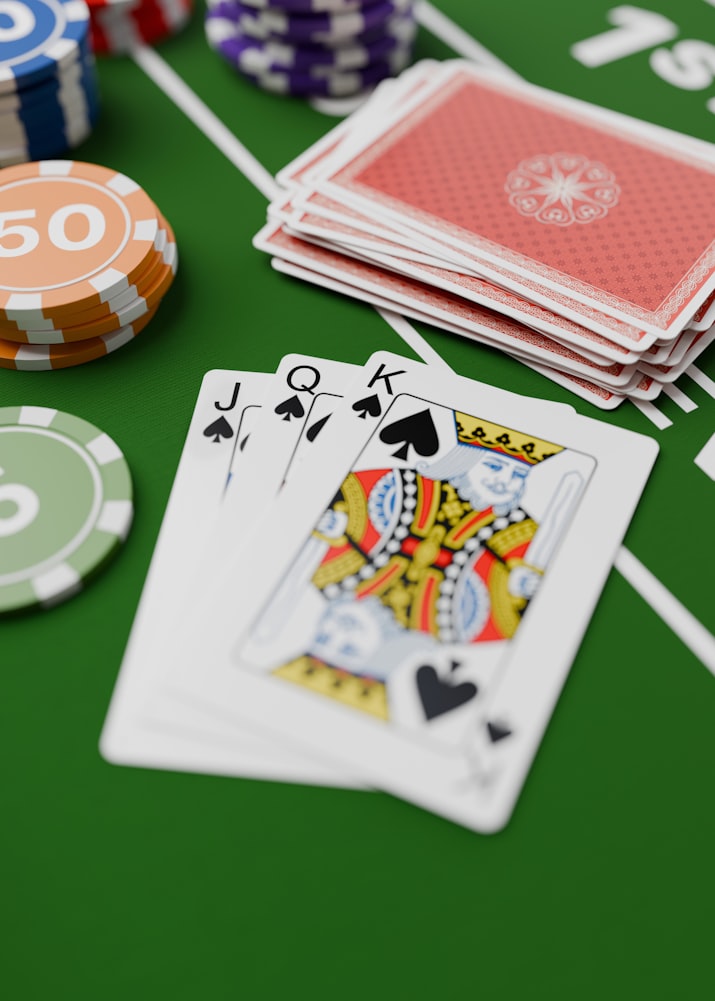
The environment of a casino is meticulously designed to enhance this experience. Soft lighting, comfortable seating, and a lack of clocks all contribute to a sense of timelessness, making it easier for players to lose track of time and indulge in the excitement around them. This carefully curated atmosphere not only amplifies the thrill but also encourages prolonged engagement, often resulting in habitual play.
Cognitive Biases and Gambling
Understanding player behavior in a casino setting also involves exploring the cognitive biases that influence decision-making. One prominent bias is the illusion of control, where players believe they can influence the outcome of games of chance, such as slot machines or roulette. This misconception can lead to irrational betting patterns and increased time spent at the tables, as players hold on to the hope that they can bend luck in their favor.
Additionally, the availability of near-misses—situations where a player comes close to winning—can further entrench this behavior. Neuropsychological research has shown that near-misses activate the brain’s reward pathways similarly to actual wins, encouraging players to continue gambling in search of that elusive victory. This phenomenon highlights how cognitive biases can significantly shape gambling habits.
The Role of Emotions in Gambling
Emotions play a critical role in shaping casino habits. Players often turn to gambling as a means of escapism, using it to manage stress, anxiety, or even depression. The momentary thrill of winning can provide a temporary boost in mood, reinforcing the behavior as players seek out that emotional high repeatedly. This emotional connection can create a cycle of dependency, where individuals rely on gambling to cope with life’s challenges.
Conversely, negative emotions can also influence gambling behavior. For some, losing can lead to feelings of frustration or desperation, prompting them to chase their losses in a bid to regain control. This emotional rollercoaster often blinds players to the reality of their gambling habits, creating a dangerous cycle that can lead to compulsive gambling and financial ruin.
Social Influence and Gambling Behavior
Gambling is not just an individual pursuit; it is often influenced by social dynamics as well. Social interactions in casinos can create a sense of belonging and community among players. The shared experience of winning or losing can enhance feelings of camaraderie, encouraging individuals to gamble together and share their experiences. This social facilitation can lower inhibitions and lead to increased betting behavior.
Moreover, peer pressure plays a significant role in shaping gambling habits. Friends or family members who gamble can create a social norm around gambling, where individuals feel compelled to participate to fit in or be accepted. This phenomenon can exacerbate existing gambling tendencies, further entrenching this behavior within social circles.

Conclusion and Insights on Player Behavior
Understanding the psychology behind casino habits and player behavior is crucial for both casino operators and players alike. By unraveling the cognitive biases, emotional influences, and social dynamics at play, stakeholders can create safer environments and promote responsible gambling practices. This knowledge equips players to make informed decisions, ultimately leading to healthier gambling habits.
As a dedicated platform for exploring these insights, our website aims to provide a wealth of knowledge on gambling behavior and casino psychology. We encourage visitors to engage with our content to better understand the underlying motivations for their gaming habits while promoting a secure and responsible gaming culture.